

NGL Exports Are Outpacing Dock Space - and Reshaping the Pipeline Map


NGL Exports Are Outpacing Dock Space - and Reshaping the Pipeline Map
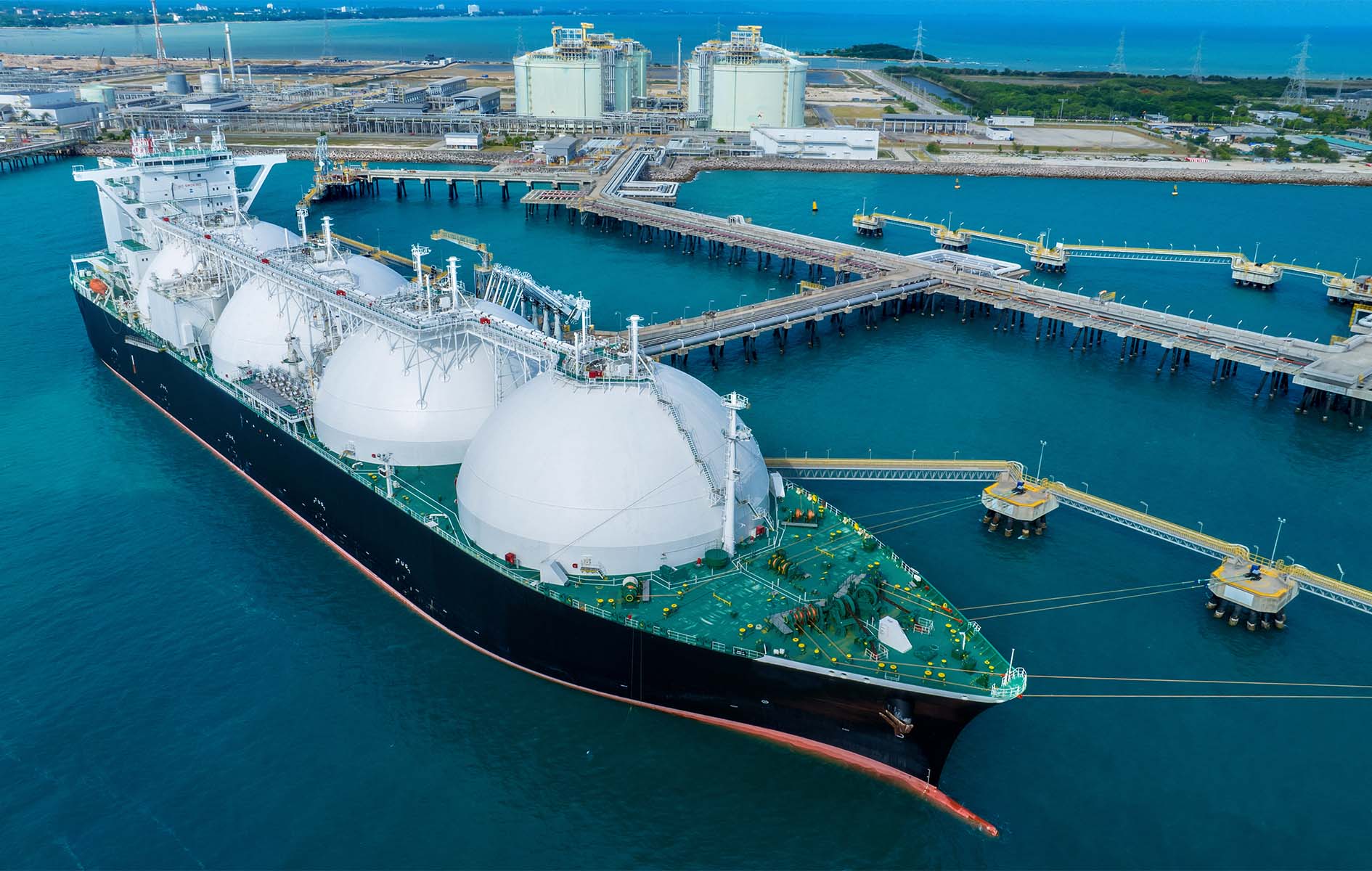
U.S. natural gas liquids exports keep setting records, and the terminals built to load them are racing to keep up. That race is quietly driving a second wave of pipeline expansion - not the marquee, multi-state interstate lines that make headlines, but the shorter, high-stakes connector pipelines between Mont Belvieu and the coast.
The Numbers Behind the Growth
The EIA's most recent Short-Term Energy Outlook projects net exports of propane and propylene reaching roughly 1.83 million barrels per day in 2026, up about 10% from 2024's 1.66 million b/d. Butane and butylene exports are forecast to climb nearly 34%, from 440,000 to 590,000 b/d over the same period. Ethane net exports are expected to rise to 630,000 b/d by 2026 - about 29% higher than 2024 - continuing a pattern of double-digit annual growth. Altogether, the U.S. now supplies roughly 46% of the global seaborne LPG market, up from 29% in 2016, with total NGL exports on track to exceed 3.0 million barrels per day.
The Terminal Buildout Racing to Keep Up
Export capacity is expanding to match. Enterprise Products Partners' Morgan's Point terminal on the Houston Ship Channel carries dedicated ethane and ethylene capacity, plus a flexible unit that can handle either; the company is also building the Neches River terminal near Beaumont with flex capacity for up to 360,000 b/d of propane or 180,000 b/d of ethane.
Energy Transfer announced on June 18, 2026, that it's expanding its Nederland NGL Export Terminal by 240,000 b/d of ethane capacity and 55,000 b/d of additional LPG capacity - with 100% of the new ethane capacity already committed under long-term agreements running into the 2040s. The project also includes expanding the Mont Belvieu-to-Nederland NGL pipeline and building two additional ship docks, with refrigerated storage expansions expected in the first half of 2027.
A newer entrant is also moving forward: a planned 400,000 b/d LPG export terminal in Texas City, paired with a new 24-inch pipeline connecting it to ONEOK's storage facility in Mont Belvieu, targeted for completion in early 2028.
What This Means Inland
Every one of those export commitments requires a matching upstream connection. The Mont Belvieu-to-Nederland expansion and the planned Texas City connector are direct examples - pipeline projects that exist specifically because dock capacity sold out faster than expected. These "last-mile" connector lines are often shorter in mileage than the big interstate projects, but they carry just as much schedule pressure, since they're tied to export capacity that's already under contract.
That makes this category of project worth the same land-acquisition discipline as the headline-grabbing long-haul lines, even though it rarely gets the same coverage.
Closing
Whether the next tract sits on a 366-mile interstate corridor or a 12-mile connector feeding a Gulf Coast dock, the acquisition work is the same in kind, if not in scale - which is exactly why SkyRay was built to track tract status the same way regardless of project size.
Sources:
- OPIS Energy Insight, "Production Sea Change Buoys Tides of U.S. NGL Exports"
- U.S. Energy Information Administration, "U.S. ethane exports are expected to grow through 2026"
- Energy Transfer LP, press release (June 18, 2026), via ir.energytransfer.com
- Rigzone, "Energy Transfer to Expand Texas NGL Export Terminal" (June 19, 2026)
- ETF Trends, "Permian Powers Midstream Growth From Well to Water"
- Enterprise Products Partners L.P., press release re: Houston Ship Channel export facility expansion


.jpg)
